Blog / News
Definya Classes Guide for New MMORPG Players Today
A Definya classes guide for new players comparing roles, combat expectations, wiki routes, and early decisions without over-planning the first build.
Definya classes guide is useful when you want a practical route through Definya instead of a loose list of features. This guide keeps the focus on player decisions: what to read first, which systems to compare, and when to move from planning into play. Use this as a quick class-choice checklist, then open the class overview when you want deeper role comparisons.
What This Guide Helps You Decide
Definya has many connected systems, so the best first step is to choose the decision you are actually trying to make. Some players need to know whether the game fits their browser or pixel MMORPG expectations. Others already want to compare classes, check quests, research mobs, or understand how items and crafting connect. A focused class choice guide prevents that from becoming a scattered tour.
The simple rule is to read just enough to make your next in-game action clearer. If a page answers your immediate question, play for a while and come back when a new decision appears. That rhythm is better than trying to memorize every database before the first route.
Start From The Best Hub
For this topic, start with Class Choice and keep the related wiki pages nearby. The useful supporting paths are Classes and Builds, Combat, Quick Create vs Advanced, Item Database, and 2D MMORPG hub. Those pages give you a mix of overview guidance and searchable references, which is important because MMORPG progress usually moves between broad goals and specific lookups.
A hub page is where you understand the shape of a system. A database is where you compare exact names, categories, enemies, rewards, or materials. A tutorial is where you turn both of those into a sequence you can follow. New players get the best result by using all three instead of expecting one page to do everything.
How To Use It During A Session
Before creating your character, choose the kind of combat you want to spend time learning. These four classes are starting points for a shortlist, not the full roster or a ranking of the strongest builds:
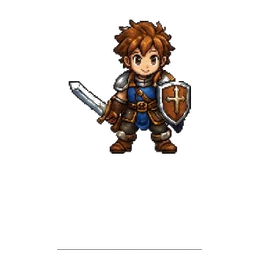
- Melee weapons and a shield: Warrior favors sword, axe, club, and shielding progression. Start here if you want close-range weapon play with strong defensive training.
- Distance weapons: Hunter specializes in distance and dexterity. Plan for ammunition or other ranged resources, and keep a close-range backup in mind.
- Spell-focused combat: Sorcerer puts magic and magic resistance at the center of the build. Think about mana recovery and positioning rather than training several physical weapons at once.
- Magic with support-oriented play: Druid combines strong magic progression with a more flexible defensive profile. Compare its spells and support options if that appeals more than a weapon-focused character.
For Berserker, Rogue, Necromancer, Paladin, and Amazon, use the full class overview. Choose one or two candidates, then read their individual pages rather than trying to plan every class before entering the world.
What To Compare First
Compare preferred weapons or spells, training effort, and the supplies your playstyle needs. A class’s strongest progression lanes take less effort to train than its weak lanes; they are not a promise that every weapon or spell will work equally well. A Warrior can explore magic, for example, but magic is its slowest progression direction. Decide whether you want that extra effort before spending early training across unrelated skills.
Use this five-point check before confirming your character:
- Pick a main combat direction. Choose a weapon family or a spell-focused approach you actually want to use, then check that class’s strengths and weak spots.
- Review the complete build. In Quick Create, check the visible build choices rather than accepting a combination just for its appearance. Use Advanced creation if you want faction, race, and class choices separated.
- Check your race choice. Compare factions and races for their own modifiers and available combinations; class and race are separate decisions.
- Read the game-mode risk. Game modes explain death consequences. Permadeath is not a class bonus: your character is permanently lost on death.
- Plan the first supplies. Check usable gear in the item database. For distance play, think about ranged resources; for spell play, think about mana recovery. Keep the first plan small enough to try before committing to several upgrades.
Common New Player Mistakes
Choosing a class for its portrait alone can leave you training a playstyle you do not enjoy. Check its preferred combat skills first, then choose the available appearance you like. A promising item is also a poor reason to spread early training across every weapon family; start with one main direction and compare alternatives when you have a specific need.
Treating a strong progression lane as a fixed party role makes the comparison too rigid. Class strengths describe where training is efficient, while your gear, spells, race, and decisions still matter. Use the individual class pages to understand those tradeoffs instead of assuming a label guarantees easy fights or a particular damage result.
Choosing a combat class just to unlock crafting is unnecessary. Every class can learn fishing, mining, lumberjacking, cooking, alchemy, and blacksmithing. Choose combat for the way you want to fight; use the crafting overview to plan the gathering and recipe skills that support your supplies or equipment.
Next Step
If you are still evaluating the game, read the 2D MMORPG hub and then open Play Definya when you are ready. If you are already in the world, keep this article as a small checklist: choose one decision, open the best guide, compare only the details that affect your route, and return to the game with a clearer next move.